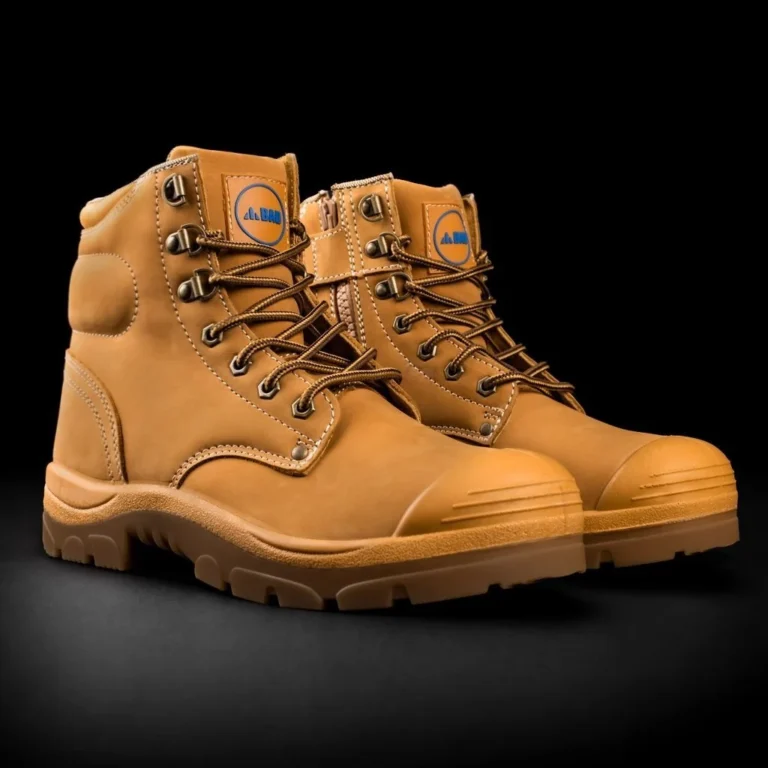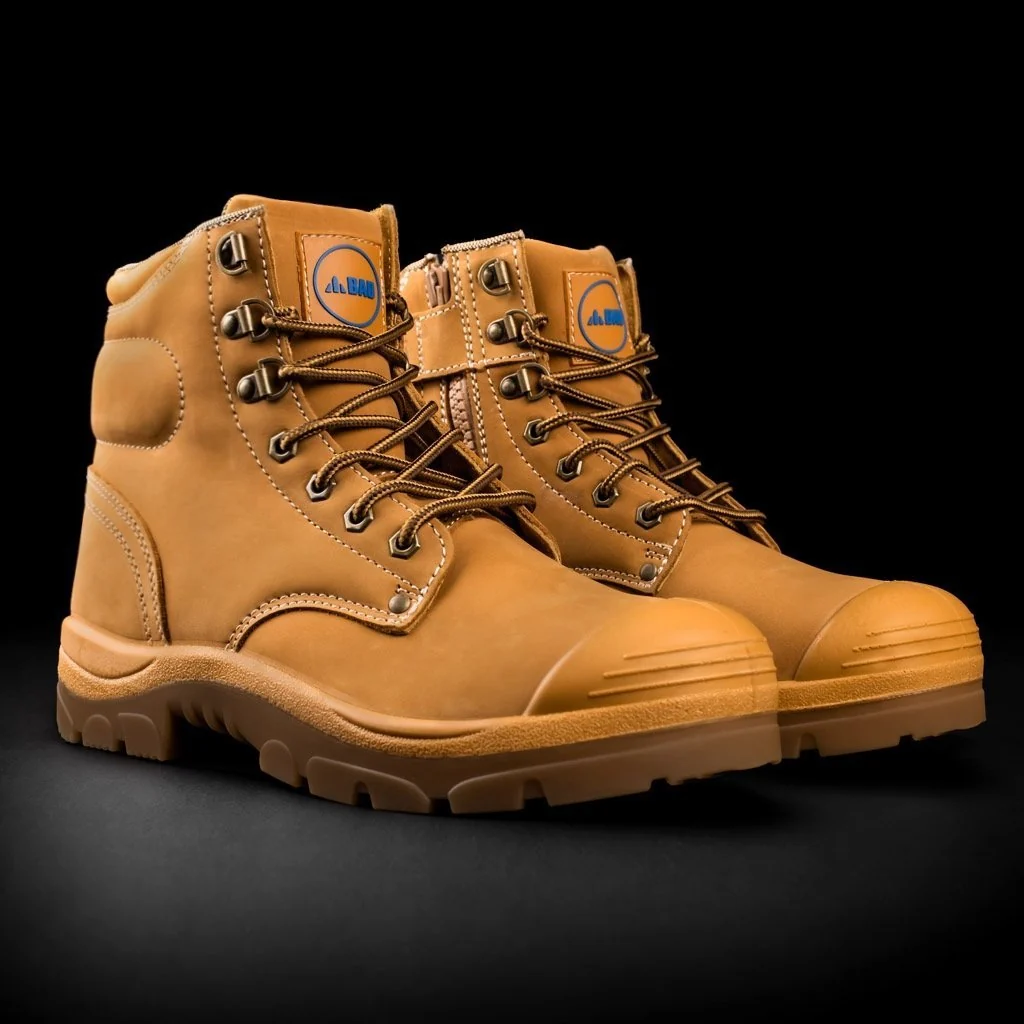
Work Boots
The right work boots do more than protect your feet. They can make long shifts easier, provide better traction on difficult surfaces, and help you stay comfortable when your job keeps you moving for hours.
But choosing a pair is not as simple as picking the toughest-looking boot on the shelf. A construction worker, warehouse employee, electrician, landscaper, mechanic, and outdoor worker may all need very different features. Waterproofing might matter greatly to one person, while electrical hazard protection, slip resistance, or a lightweight design may matter more to another.
The best approach is to start with the conditions of your job and then choose the materials, safety features, sole, and fit that match those conditions.
What Are Work Boots?
Work boots are footwear designed for demanding work environments where ordinary shoes may not provide enough protection, support, traction, or durability.
Depending on their intended use, they may include features such as:
- Protective toe caps
- Slip-resistant outsoles
- Waterproof membranes
- Puncture-resistant midsoles
- Electrical hazard protection
- Reinforced stitching
- Cushioned footbeds
- Ankle support
- Oil- or chemical-resistant materials
Not every boot has every feature. In fact, buying a boot with features you do not need can sometimes add unnecessary weight or cost.
For example, someone working indoors on a clean warehouse floor may have little use for an extremely heavy waterproof boot designed for muddy outdoor conditions.
Why Choosing the Right Work Boots Matters
Your feet experience a lot of stress during a working day. Standing for several hours, walking across hard surfaces, climbing ladders, carrying equipment, and working on uneven ground can all increase the demands placed on your footwear.
A suitable boot helps address those demands.
Protection
Some jobs expose your feet to falling objects, sharp materials, hot surfaces, slippery floors, or other hazards. Protective features can reduce the risk of certain foot injuries, but they should always match the requirements of the workplace.
If your employer specifies a particular safety standard or type of protective footwear, check those requirements before buying.
Comfort
A boot can be extremely durable and still be a poor choice if it causes painful pressure points.
Comfort comes from more than soft padding. Proper width, arch support, heel stability, cushioning, flexibility, and overall fit all matter.
Traction
A good outsole can provide more confidence when walking across wet, oily, loose, or uneven surfaces. The tread pattern and rubber compound both influence how a boot behaves.
However, no outsole can eliminate every slip hazard. Workplace surfaces and conditions still matter.
Durability
Work footwear often encounters conditions that would quickly damage ordinary casual shoes. Strong leather, reinforced construction, quality stitching, and a durable outsole can help a pair withstand regular use.
Types of Work Boots
There is no single boot that is ideal for every occupation. Understanding the main categories makes shopping much easier.
Steel-Toe Work Boots
Steel-toe boots contain a protective steel cap around the toes. They are commonly associated with jobs where impact or compression hazards are present.
Their main advantage is strong protection, but they can feel heavier than some alternatives. If you spend most of your day walking, weight may become an important consideration.
Composite-Toe Boots
Composite toe caps use materials such as carbon fiber, fiberglass, or other non-metal materials, depending on the boot.
They can provide protective performance while avoiding a metal toe cap. They are also often considered by workers who prefer a lighter design or who have specific workplace requirements.
Waterproof Work Boots
Waterproof boots are useful for workers regularly exposed to rain, wet ground, puddles, or other moisture.
Keep in mind that waterproofing can affect breathability. A fully waterproof boot may feel warmer in hot conditions than a more breathable work shoe.
Insulated Work Boots
Workers exposed to cold weather may need insulated footwear. Insulation helps retain warmth, but it can also make a boot bulkier.
For cold environments, consider both the temperature and your activity level. A person walking continuously may need less insulation than someone standing outdoors for long periods.
Electrical Hazard Work Boots
Some boots are designed with electrical hazard protection for particular workplace conditions. These boots are not a substitute for proper electrical safety procedures.
If you work around electrical hazards, follow your employer’s requirements and choose footwear certified for the specific application rather than relying on general marketing claims.
Logger and Heavy-Duty Outdoor Boots
These boots typically emphasize durability, ankle support, traction, and protection for demanding outdoor work.
They can be excellent for rugged terrain but may be unnecessarily heavy for indoor jobs or tasks involving extensive walking on flat surfaces.
How to Choose the Right Work Boots
1. Start With Your Job
Before looking at brands or styles, identify what your feet actually encounter during a normal shift.
Ask yourself:
- Do I work indoors or outdoors?
- Are floors wet or oily?
- Do objects frequently fall or roll?
- Do I work around electricity?
- Do I walk on rough or uneven ground?
- Will I encounter mud, rain, snow, or extreme temperatures?
- How many hours will I wear the boots each day?
These questions narrow your options considerably.
2. Check Workplace Safety Requirements
Your workplace may require specific protective footwear. This is particularly important in construction, manufacturing, utilities, industrial maintenance, and similar environments.
Look for the applicable safety markings and certification information rather than assuming a boot is suitable because it looks protective.
3. Get the Fit Right
A good fit should hold your heel securely without squeezing your toes.
When trying boots on, wear the type of socks you normally use at work. Walk around and pay attention to your heel, arch, toes, and the widest part of your foot.
Your toes should have enough room to move naturally. Your foot should not slide excessively inside the boot.
4. Consider Your Work Surface
The ideal outsole depends heavily on where you work.
For slippery indoor floors, look for appropriate slip-resistant construction. For rough outdoor terrain, deeper and more aggressive tread may be useful.
A heavily lugged outsole can provide useful traction outdoors but may feel awkward on smooth indoor floors.
5. Choose the Right Material
Leather remains popular because it can be durable and develops a comfortable feel with use when properly maintained.
Synthetic materials can offer advantages such as lower weight, quicker drying, or different levels of water resistance.
There is no universally superior material. The better choice depends on your working environment, climate, maintenance habits, and budget.
6. Think About Weight
Heavy-duty does not automatically mean better.
If your job involves climbing, walking, or standing for eight or more hours, excessive boot weight can become tiring. On the other hand, a very lightweight boot may not provide the protection required for demanding environments.
Think about the balance between protection and mobility.
7. Pay Attention to the Insole
The insole affects how the boot feels over a long shift. Some workers prefer firm support, while others prefer more cushioning.
If the boot is otherwise a good fit but the standard insole is uncomfortable, a suitable replacement insole may improve the experience. Make sure any replacement does not interfere with the boot’s intended protective fit or certification.
Common Work Boot Mistakes
Buying Based Only on Appearance
A rugged-looking boot is not necessarily appropriate for your job. Safety features, fit, traction, and construction matter more than appearance.
Choosing the Wrong Size
Some people buy a larger boot expecting extra comfort. Excessive space can allow the foot to move inside the boot, creating friction and instability.
Others choose a boot that feels tight because they expect it to stretch. While some materials may loosen slightly with use, a fundamentally poor fit should not be expected to become perfect.
Ignoring Your Work Socks
Thick winter socks can significantly change how a boot fits compared with thin everyday socks.
Try footwear with the socks you actually plan to wear.
Treating Waterproof and Water-Resistant as the Same
These terms should not automatically be treated as interchangeable. Check the manufacturer’s specifications and construction details if moisture protection is important for your work.
Wearing Worn-Out Boots Too Long
Even a high-quality boot eventually wears down. Inspect the outsole, stitching, upper material, heel, and protective components regularly.
If the boot is no longer providing the protection or stability it was designed to provide, replacement may be necessary.
How to Make Work Boots More Comfortable
Breaking in a new pair can take time, particularly with traditionally constructed leather boots.
Start by wearing them for shorter periods when possible. This gives you a chance to identify pressure points before committing to a full shift.
Keep your feet dry and use appropriate socks. Moisture can contribute to friction and discomfort.
If you experience persistent pain, numbness, or pressure from the boot, do not simply assume that more break-in time will solve the problem. The underlying fit may be wrong.
How to Maintain Work Boots
Good maintenance can extend the useful life of your footwear.
For leather boots, remove dirt regularly and use products appropriate for the specific leather. Avoid randomly applying oils or conditioners because some products can alter the leather or affect its finish.
Allow wet boots to dry naturally. Excessive direct heat can damage some materials and adhesives.
Inspect the sole regularly for excessive wear. Also check stitching and areas around the toe and heel, where repeated impact and bending can cause damage.
If your boots have removable insoles, allowing them to air out separately can also help with moisture management.
When Should You Replace Work Boots?
There is no universal replacement schedule because wear depends on the job, frequency of use, materials, and conditions.
Instead of relying only on age, inspect the boots themselves.
Consider replacement when:
- The outsole is significantly worn.
- The boot no longer provides adequate traction.
- Protective components are damaged.
- The upper has major cracks, holes, or separation.
- The sole is separating from the upper.
- The boot has lost important structural support.
- The footwear no longer meets your workplace requirements.
A boot can still look acceptable from a distance while being worn enough to require replacement.
Expert Tips for Buying Work Boots
Shop later in the day when possible. Feet can swell somewhat during the day, so a boot that feels comfortable in the morning may feel tighter later.
Try both boots. Feet are not always identical in size or shape.
Walk on different surfaces if the store allows it. A boot that feels good while standing may behave differently when walking.
Do not ignore width. Length is only one part of proper fit.
Match the boot to the climate. Waterproof and insulated footwear may be useful in cold, wet conditions but uncomfortable in hot weather.
Prioritize required safety features first. Once safety requirements are covered, compare comfort, weight, durability, and convenience.
Frequently Asked Questions
Are work boots supposed to be tight?
No. They should fit securely without squeezing your toes or creating painful pressure points. Your heel should remain reasonably stable while walking.
How long do work boots last?
It depends on the construction, work environment, frequency of use, and maintenance. Inspect them regularly rather than following a fixed replacement timeline.
Are steel-toe work boots uncomfortable?
They can be, but discomfort is not an unavoidable feature of steel-toe footwear. Proper sizing, adequate toe-box space, cushioning, and a suitable design can make a significant difference.
Can work boots be worn every day?
Yes, provided they are appropriate for your work and remain in good condition. Daily use makes fit, ventilation, maintenance, and durability especially important.
What are the best work boots for outdoor jobs?
The appropriate choice depends on the outdoor environment. Rough terrain may require stronger traction and ankle support, while wet conditions may call for waterproof construction. Cold environments may require insulation.
How should work boots fit?
Your heel should feel secure, your midfoot should not be excessively loose, and your toes should have enough room to move without hitting the front of the boot.
Are waterproof work boots worth it?
They can be worthwhile if your job regularly exposes you to moisture. If you work primarily indoors in a dry environment, waterproofing may provide little practical benefit and could reduce breathability compared with other designs.
Can you replace the insoles in work boots?
Often, yes. A replacement insole can change cushioning and support, but make sure it does not compromise the boot’s fit or interfere with required safety features.
Final Thoughts
Choosing work boots is really about matching footwear to the conditions you face every day. A construction worker working around heavy materials may have different priorities from a warehouse employee, landscaper, mechanic, or outdoor worker.
Start with workplace hazards and required safety features. Then consider fit, traction, materials, weight, weather protection, comfort, and durability. A boot does not need every available feature to be a good boot; it needs the right features for your particular job.
The most useful pair is the one that protects your feet, remains comfortable through a full shift, and continues performing reliably under the conditions you actually encounter.
About the Author