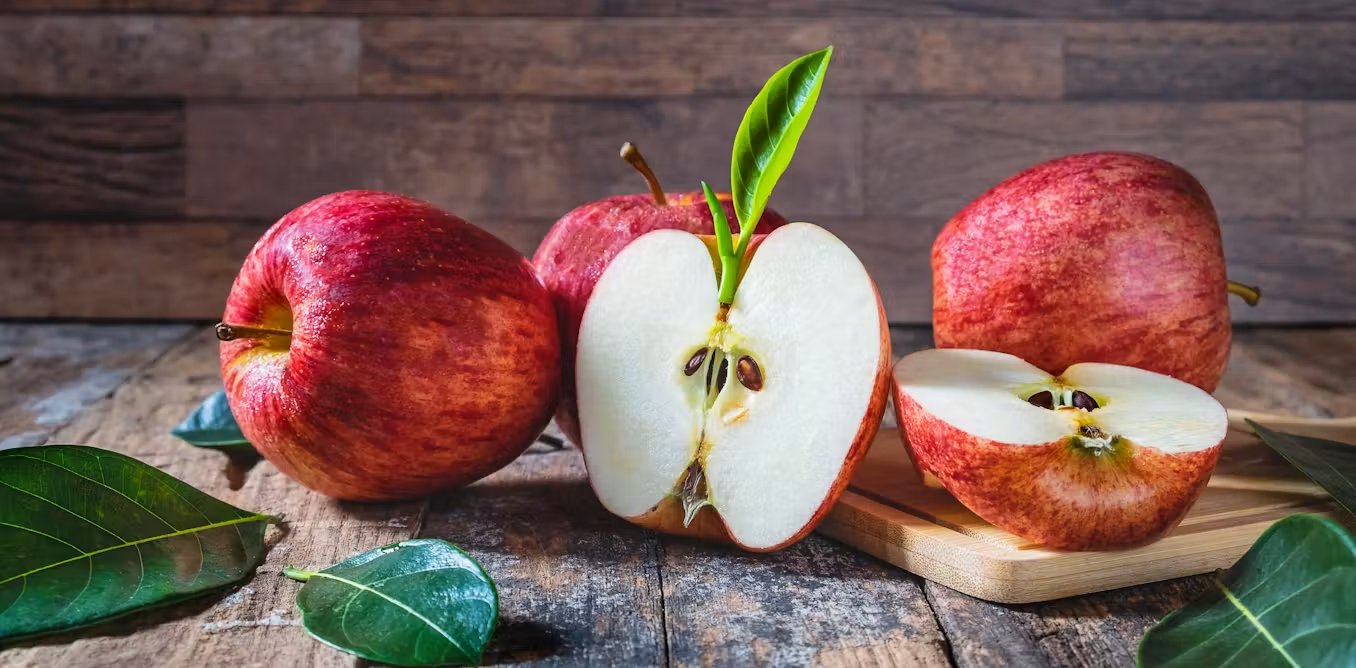
Apple Food
An apple is one of those foods that rarely needs an introduction. It is easy to carry, simple to prepare, naturally sweet, and available in many varieties. But calling it just a convenient snack misses what makes it useful. Apples provide fiber, water, carbohydrates, and several plant compounds that can contribute to an overall balanced diet.
The term apple food can refer to apples eaten fresh as well as foods made with apples, such as applesauce, baked apples, salads, oatmeal, and smoothies. The nutritional value can change considerably depending on how the apple is prepared and what other ingredients are added.
If you want to eat more fruit without making your meals complicated, apples are a practical option. Here’s what to know about their nutrition, potential benefits, preparation methods, and everyday uses.
What Is Apple Food?
Apple food broadly means food made from or containing apples. The simplest form is a whole fresh apple, but the category also includes cooked and processed versions.
A whole apple contains the flesh and, when eaten, often the skin. The skin contributes fiber and plant compounds, while the flesh provides water, carbohydrates, and naturally occurring sugars.
Common examples include:
- Fresh apples
- Sliced apples with nut butter
- Applesauce
- Baked apples
- Apple oatmeal
- Apple and yogurt bowls
- Apple salads
- Apple smoothies
- Homemade apple compote
- Apple-based desserts
These foods aren’t nutritionally identical. A whole Apple Food and an apple pie may share the same basic fruit, but added sugar, butter, flour, and portion size can make the finished foods very different.
Apple Nutrition: What Does an Apple Provide?
Apples are primarily a source of carbohydrates and water, with a useful amount of dietary fiber. They also contain vitamin C and various naturally occurring plant compounds.
The exact nutrition depends on the apple’s size and variety. A typical medium apple provides roughly:
| Nutrient | Approximate amount |
|---|---|
| Calories | 90–100 |
| Carbohydrates | 25 g |
| Dietary fiber | 4 g |
| Protein | Less than 1 g |
| Fat | Less than 1 g |
These numbers are approximate rather than a universal nutritional profile. A large apple contains more calories and carbohydrates than a small one.
One reason apples can be filling is their combination of water and fiber. Eating a whole apple also takes longer than drinking an equivalent amount of fruit as juice.
Why Apple Food Can Be a Useful Choice
1. It Provides Dietary Fiber
Fiber is one of the main nutritional reasons to include whole apples in your diet. Much of an apple’s fiber comes from the cell walls of the fruit, including soluble and insoluble forms.
Fiber supports normal digestion and can help make meals and snacks more satisfying.
If you increase your fiber intake, do it gradually and drink enough fluids. A sudden large increase can cause digestive discomfort for some people.
2. Apples Contain Plant Compounds
Apples contain polyphenols and other plant compounds. These substances occur naturally in fruits and vegetables and are part of what makes a varied plant-based diet valuable.
The amount and type of these compounds can differ between varieties, growing conditions, storage, and preparation.
3. They Can Fit Into Weight-Conscious Eating
A whole apple can make a convenient snack without requiring complicated preparation. Its water and fiber content can make it more satisfying than many highly processed sweet snacks.
However, an apple is not a special weight-loss food. Overall calorie intake, eating patterns, activity, sleep, and other lifestyle factors matter much more than any single fruit.
4. Apples Are Easy to Combine With Other Foods
Apples become more substantial when paired with foods containing protein or healthy fats.
Try combinations such as:
- Apple slices with peanut butter
- Apple with Greek yogurt
- Chopped apple with oatmeal
- Apple with cottage cheese
- Apple, walnuts, and leafy greens in a salad
These combinations can work particularly well when you want a snack that lasts longer than fruit alone.
Fresh Apple vs. Apple Juice
This is one of the most useful distinctions to understand.
A whole apple contains the fruit’s natural structure and fiber. Juice removes much of that structure and makes it easier to consume a larger quantity quickly.
For everyday eating, whole apples generally make a more substantial choice than apple juice.
That doesn’t mean juice can never be part of a diet. The key difference is portion size and how the food is consumed. A glass of juice can contain the sugars from several pieces of fruit without providing the same chewing experience or fiber structure as whole fruit.
Should You Eat the Apple Skin?
For most people, the skin can be eaten and adds fiber and plant compounds.
If you prefer peeled apples, you can still benefit from the fruit. There’s no need to force yourself to eat the skin if you dislike its texture.
When eating apples with the skin:
- Rinse the apple under running water.
- Rub the surface gently with your hands.
- Remove damaged areas if necessary.
- Dry it before eating or slicing.
Washing fruit is particularly useful before cutting it because the knife can otherwise transfer surface contaminants into the flesh.
Best Ways to Use Apple Food


Apple and Oatmeal
Dice an apple and cook it with oats, milk or water, and cinnamon. You can add nuts or seeds for additional texture and nutrients.
Apple and Yogurt
Chopped apple works well with plain yogurt. Add cinnamon, walnuts, or a small amount of granola if desired.
Simple Apple Salad
Combine sliced apples with leafy greens, walnuts, cucumber, and a light dressing. The apple adds sweetness and crunch without requiring a sugary dressing.
Baked Apples
Baking softens the fruit and concentrates its flavor. Cinnamon and chopped nuts can add flavor without requiring a large amount of added sugar.
Apple With Nut Butter
Sliced apple with peanut or almond butter is a simple snack that combines carbohydrate from the fruit with protein and fat from the nut butter.
Common Mistakes When Eating Apples
Assuming All Apple Products Are Equally Healthy
An apple and an apple-flavored pastry aren’t nutritionally interchangeable. Check the complete ingredient list and nutrition information when buying packaged apple products.
Drinking Too Much Apple Juice
Juice is easy to consume quickly. If you’re looking for fiber and fullness, choose whole fruit more often.
Adding Large Amounts of Sugar
Apple desserts can become very high in added sugar when combined with syrups, sweetened sauces, or large amounts of refined ingredients. You don’t need to eliminate these foods, but they are better viewed as desserts rather than equivalent to fresh fruit.
Ignoring Portion Size
Healthy foods still contribute calories. Large servings of dried apples, sweetened apple snacks, or apple-based desserts can contain considerably more calories than a whole fresh apple.
How to Store Apples Properly
Storage affects texture and freshness.
Keep apples refrigerated if you want them to remain crisp for longer. A refrigerator’s crisper drawer is often a practical place to store them.
Check stored apples periodically and remove fruit that has become badly damaged or rotten. One spoiled apple can affect nearby fruit.
For sliced apples, placing them in an airtight container can help slow moisture loss. A little lemon juice can also help reduce browning, although browning itself does not necessarily mean the apple has become unsafe.
Choosing the Right Apple
Different apples work better for different purposes.
For eating fresh: Choose varieties with the sweetness and firmness you enjoy.
For baking: Firmer apples that hold their shape during cooking are often useful.
For applesauce: Softer or sweeter varieties can reduce the need for additional sweeteners.
For salads: Crisp apples provide better texture and contrast with leafy greens and nuts.
There’s no universally “best” apple. Taste, texture, availability, and how you plan to use it should guide your choice.
Can Everyone Eat Apples?
Most people can include apples as part of a varied diet. However, individual tolerance differs.
Some people may experience digestive symptoms after eating certain fruits. People with known food allergies should follow advice from their healthcare professional.
Whole apples are also relatively firm and can present a choking risk for very young children. Preparation should be appropriate for the child’s age and eating ability.
Frequently Asked Questions About Apple Food
Is apple food healthy?
Whole apples can be a nutritious part of a balanced diet because they provide fiber, water, carbohydrates, vitamin C, and plant compounds. The nutritional profile changes when apples are turned into foods with substantial added sugar or fat.
Is eating an apple every day okay?
For most people, eating an apple every day can fit comfortably into a varied diet. Variety still matters, so include other fruits and vegetables as well.
Is it better to eat an apple with the skin?
If you enjoy the skin and wash the apple properly, keeping it on provides additional fiber and plant compounds. Peeled apples are still nutritious.
Is apple juice as healthy as a whole apple?
Whole apples generally provide more fiber and require more chewing than apple juice. Juice can be consumed quickly, so whole fruit is often the more filling everyday option.
Can apples be part of breakfast?
Yes. Add chopped apple to oatmeal, yogurt, whole-grain cereal, or a smoothie. Pairing fruit with protein or fat can make breakfast more substantial.
Are cooked apples still nutritious?
Yes. Cooking changes the texture and can affect some nutrients and plant compounds, but cooked apples can still contribute fruit and fiber to meals.
What is the healthiest way to eat an apple?
For a simple everyday option, eat the apple whole after washing it. You can pair it with yogurt, nuts, or nut butter when you want a more filling snack.
Final Thoughts
Apple food doesn’t have to mean complicated recipes or specialty products. A fresh apple is already a convenient food that supplies fiber, water, carbohydrates, and naturally occurring plant compounds.
The biggest nutritional difference comes from what happens after the apple leaves the tree. Whole apples retain their natural structure, while juice, sweetened sauces, pastries, and desserts can contain very different amounts of fiber, added sugar, fat, and calories.
For everyday eating, keep things simple: choose apples you enjoy, wash them properly, eat the skin if you prefer it, and combine them with other nutritious foods when you want a more satisfying meal or snack.
About the Author