november birth flower
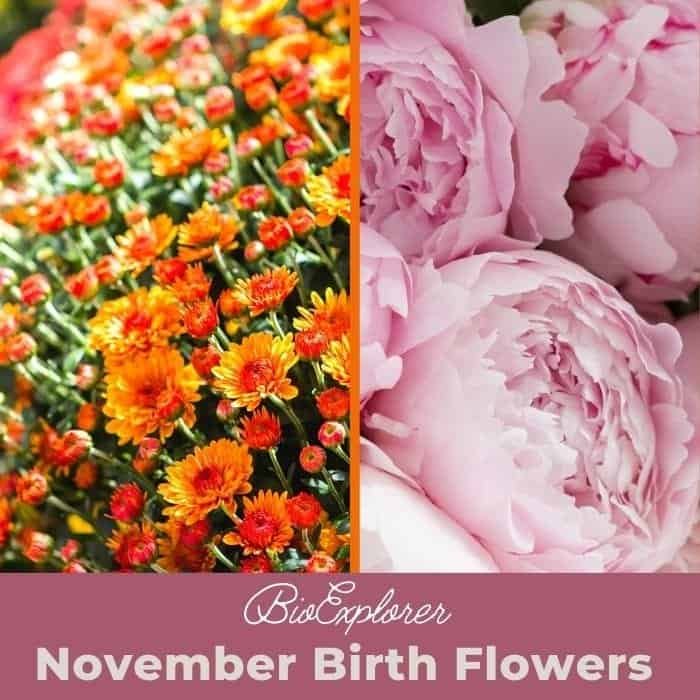
If you were born in November Birth Flower is the chrysanthemum, usually shortened to “mum.” It’s one of the few flowers that gets better as the days get colder. While most gardens are fading, mums are just reaching their peak.
That timing is part of why it earned the November spot. But the flower’s history, its meanings, and even a few awkward gifting mistakes are worth knowing before you buy one, plant one, or put one on a tattoo flash sheet.
What Is the Chrysanthemum?
The name comes from the Greek words for “gold” and “flower,” because the first cultivated varieties were yellow. Chrysanthemums belong to the daisy family, which explains the layered, composite blooms. What looks like a single flower is actually a cluster of many tiny florets.
Growers have been breeding them for more than 2,000 years, starting in China. Today there are thousands of cultivars in a wide range of shapes:
- Pompon and button: small, round, tidy blooms
- Spider: long, curling, tube-like petals
- Quill: straight, hollow petals that look like spokes
- Anemone: a raised center disc surrounded by flat petals
- Decorative: the classic, full, layered florist mum
Colors run from white, yellow, and bronze to deep red, pink, purple, and orange.
What the November Birth Flower Symbolizes
In the United States and much of the English-speaking world, chrysanthemums stand for joy, optimism, and loyalty. They’re also linked to long life, which is one reason they’re a popular birthday flower.
Other cultures give them even more weight:
- China: The chrysanthemum is one of the “Four Gentlemen” of classical art, alongside the plum blossom, orchid, and bamboo. It represents resilience and integrity because it blooms late in the year. It also features in the Double Ninth Festival, when people traditionally drink chrysanthemum wine or tea.
- Japan: The flower is a national symbol. A stylized 16-petal chrysanthemum is the emperor’s crest, and Japan’s imperial seat is called the Chrysanthemum Throne.
- Parts of Europe: In France, Italy, Spain, Belgium, Poland, and Hungary, chrysanthemums are tied to All Saints’ Day on November 1 and are placed on graves. A bouquet of mums as a casual gift can land very differently there.
The same flower can mean celebration in one country and remembrance in another. If you’re gifting across cultures, check first.
Chrysanthemum Color Meanings
Color changes the message. These are the generally accepted meanings, though they aren’t universal.
- Red: love, passion, deep affection
- White: purity and honesty in many Western traditions, though it’s tied to mourning in some countries
- Yellow: joy and friendship today. In Victorian flower language, it sometimes meant neglected or slighted love, so a modern sender might unintentionally say something odd to a flower-language fan.
- Pink: gentle affection and gratitude
- Purple: admiration and good wishes
- Orange and bronze: warmth, enthusiasm, and a sense of autumn
If you don’t know the recipient well, a mixed bouquet of warm colors is a safe choice.
November’s Other Birth Symbols
The chrysanthemum is the standard November birth flower, but November has birthstones too: topaz and citrine. Both come in golden shades that echo the flower’s warm palette. Together they make a natural pairing for a birthday gift, such as a mum bouquet with citrine jewelry.
How to Gift a November Birth Flower
A few practical points make the difference between a nice gift and a great one.
Match the bloom to the person. Big, full decorative mums feel traditional and celebratory. Spider and quill mums look more modern and artistic. Daisy-like single blooms feel casual and cheerful.
Think about timing. Mums are in season in autumn, so November birthdays are the best time to buy them. They’re usually fresh, affordable, and available locally.
Keep them fresh. Cut chrysanthemums often last a week or two. Trim the stems at an angle, remove any leaves that would sit below the waterline, and change the water every couple of days. They hold up better than many other cut flowers, which is a real advantage.
Consider a potted mum. A pot gives the recipient something that lasts. Just be aware that florist mums sold in fall are often bred for a single display and may not survive winter outdoors.
Check for pets. Chrysanthemums are toxic to cats and dogs, according to the ASPCA. If the recipient has pets, choose a different flower or place the vase well out of reach.
Growing Chrysanthemums at Home
If you want a mum that returns each year, look for plants sold as hardy or garden mums. Most do well in roughly USDA zones 5 to 9, though this varies by cultivar, so check the plant tag.
- Sun: Aim for six or more hours of direct light. Too much shade makes plants leggy with fewer blooms.
- Planting time: Spring is ideal because roots need time to establish before winter. Fall-planted mums can survive but are riskier in cold climates.
- Soil: Well-drained soil matters most. Mums hate sitting in wet ground, especially in winter.
- Pinching: From spring until early summer, pinch back the growing tips a few times. This creates a bushier plant with far more flowers. Stop around midsummer so buds can form.
- Watering: Water at the base, not over the flowers, to reduce the risk of mildew.
- Dividing: Every two to three years, split the clump in spring. This keeps plants vigorous.
Common Mistakes
- Planting a store-bought fall mum and expecting it to return. Many aren’t bred for winter survival.
- Skipping the pinch. Without it, plants flop and bloom less.
- Overwatering. Soggy roots cause more problems than dry spells.
- Gifting white mums without checking the context, especially in Europe.
- Ignoring the pet risk when putting mums in a home with cats or dogs.
Expert Tips
- Buy mums with buds just starting to open rather than fully open blooms. They’ll last longer and bloom longer.
- In a bouquet, pair mums with seasonal partners like dahlias, eucalyptus, or berried branches for a fuller autumn look.
- For jewelry or tattoo designs, the spider mum’s long, curling petals are more distinctive than the standard round bloom.
Frequently Asked Questions
What is the November birth flower?
The chrysanthemum. Its birthstones are topaz and citrine.
What does the November birth flower mean?
Joy, optimism, loyalty, and long life in most Western settings. In China it also stands for resilience, and in Japan it’s a symbol of the imperial family.
Is the chrysanthemum a good gift for a November birthday?
Yes, in most places. Avoid giving them in countries where mums are tied to funerals and graves, such as France or Italy, unless the recipient knows your intent.
Can I grow my own November birth flower?
Yes. Choose hardy garden mums, plant them in spring in a sunny, well-drained spot, and pinch them back through early summer.
Are chrysanthemums safe for pets?
No. They are toxic to cats and dogs, so keep them out of reach or choose another flower.
Are chrysanthemums edible?
Certain varieties, mainly Chrysanthemum morifolium, are used for tea, especially in East Asia. Don’t eat florist or garden mums, as they may be treated with chemicals. People with ragweed or daisy-family allergies should be careful.
How long do cut chrysanthemums last?
Usually one to two weeks with fresh water, trimmed stems, and a cool spot away from direct sun.
Does the color of a chrysanthemum change its meaning?
Yes. Red usually signals love, white purity, and yellow joy or friendship, though traditions vary by culture.
Final Thoughts
The November birth flower is the chrysanthemum, and it has more depth than its supermarket-bouquet reputation suggests. It’s tough, long-lived, and rich in meaning across cultures. Whether you’re celebrating a birthday, planting a garden, or choosing a design for something permanent, picking the right color and variety, and knowing where its meaning shifts, gives the flower a personal touch.
About the Author